New computer chip that 'thinks' like a human could slash AI energy use by 70%
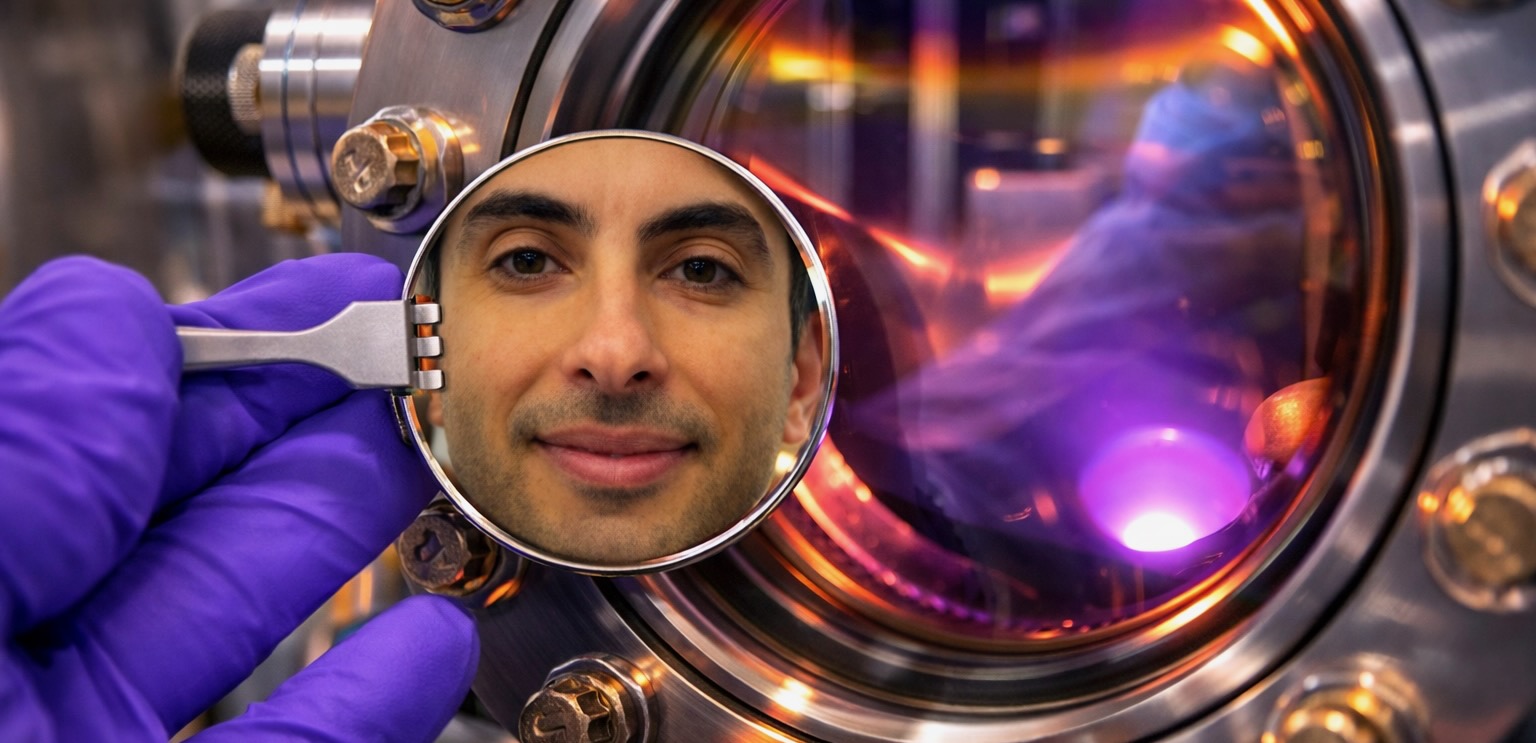
A brilliant new computer chip material inspired by the human brain could soon make AI much greener.
Every time you ask an AI a question, a massive data centre somewhere gulps down electricity. Global demand for power is exploding, and current computer chips just cannot keep up with the strain.
But geniuses at the University of Cambridge have found a way to copy the most efficient computer ever made: the human brain. Their new "neuromorphic" hardware is designed to learn and adapt just like your own neurons.
Stop the data shuttle
Current computers are a bit like a worker who has to run to a different building every time they need to remember a phone number. They constantly shuttle data back and forth between memory and processing units, which wastes huge amounts of energy.
The new Cambridge device is a "memristor" that stores and processes information in the same spot. This simple change could reduce energy use by as much as 70%, making AI far more sustainable.
Dr Babak Bakhit, the lead author, said: "Energy consumption is one of the key challenges in current AI hardware. To address that, you need devices with extremely low currents and excellent stability."
A million times less power
The researchers used a special thin film made of hafnium oxide mixed with strontium and titanium. This allowed them to create tiny electronic gates that move smoothly between different states.
In laboratory tests, these devices achieved switching currents about a million times lower than conventional oxide-based devices. They even "remembered" their programmed states for around a day without needing extra power.
Computers that can learn
This is not just about saving the planet; it is about making computers smarter. The chip reproduced biological learning rules, such as "spike-timing dependent plasticity," where connections strengthen based on when signals arrive.
Dr Bakhit said: "These are the properties you need if you want hardware that can learn and adapt, rather than just store bits." It took the team three years of failures before they finally saw "really good results" late last year.
There is still one hurdle to clear before these chips end up in your phone. The fabrication process currently requires heat of around 700°C, which is a bit too hot for standard factory lines.
The team is now working to bring that temperature down. If they succeed, it would be a "major step forward" for the future of computing and our environment.
Related Links:
MORE: Forget flat batteries! New 'miracle' heart-monitoring chip stays accurate even during a HIIT workout — https://trendwiremedia.com/2026/03/19/forget-flat-batteries-new-miracle-heart-monitoring-chip-stays-accurate-even-during-a-hiit-workout/
MORE: Tiny glowing ramps found on new computer chips could revolutionize your phone screen — https://trendwiremedia.com/2026/03/12/tiny-glowing-ramps-found-on-new-computer-chips-could-revolutionize-your-phone-screen/
MORE: Paramedics use new app to predict brain damage at the scene of heart attacks — https://trendwiremedia.com/2026/03/09/paramedics-use-new-app-to-predict-brain-damage-at-the-scene-of-heart-attacks/
OFFICIAL SOURCE VERIFICATION: This report is based on official data from University Newsroom. Document: New computer chip material inspired by the human brain could slash AI Source Link: https://www.cam.ac.uk/research/news/new-computer-chip-material-inspired-by-the-human-brain-could-slash-ai-energy-use
Author




Subscribe for $2 every four weeks for the first six months
Subscribe for $20 every four weeks for the first six months