Your Sunday Roast Is Eating the Amazon: Beef Demand Blamed for Rainforest Crisis
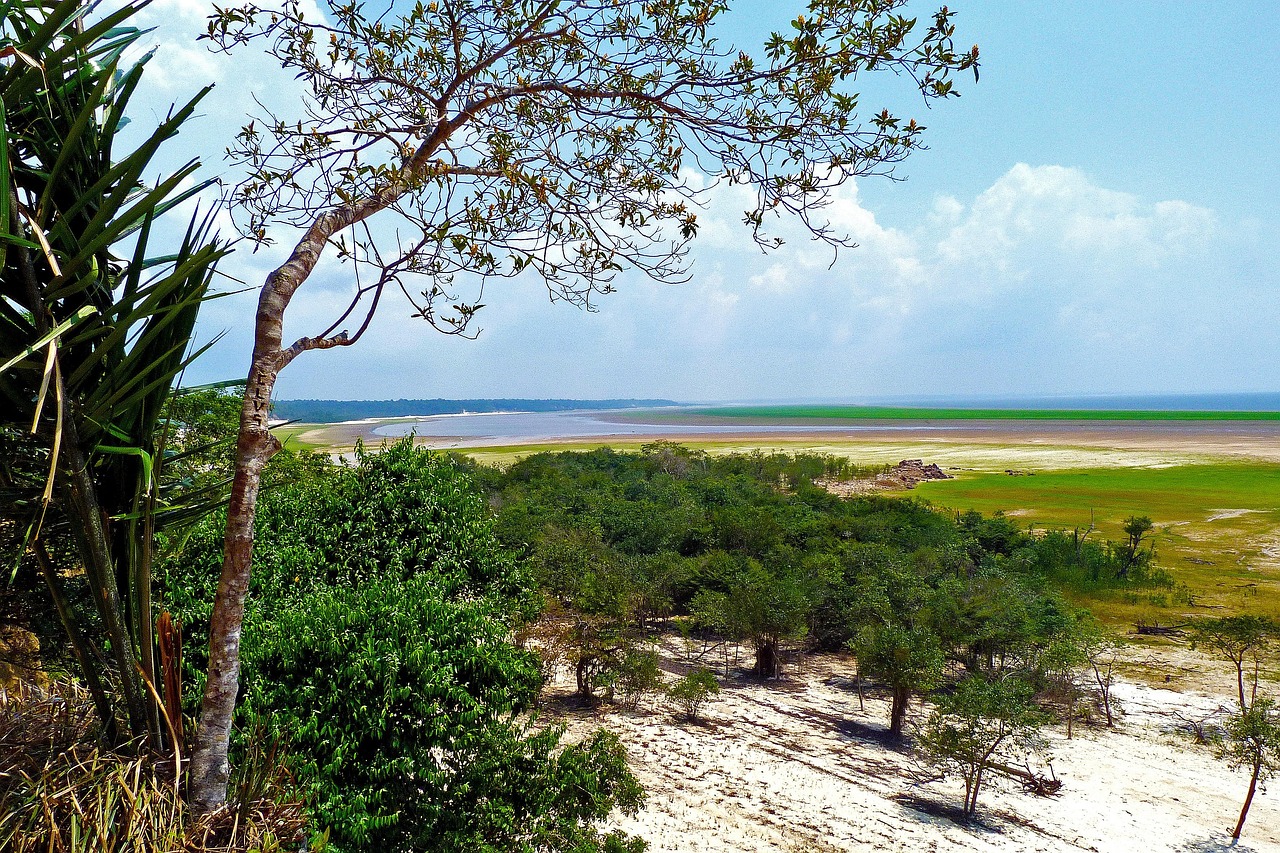
Your Sunday roast could be fuelling disaster. A major new study reveals that soaring global beef demand is directly driving deforestation in the Amazon rainforest. This isn't just a far-off problem; your everyday choices are having a huge impact.
The Hidden Cost of Your Steak
Researchers from The University of Manchester and Brazil’s Fundação Getulio Vargas São Paulo School of Business Administration have linked plates across the globe to land clearing in Brazil. They found complex supply chains make it tough to regulate this environmental destruction.
Up to 80% of cleared forest land in the Amazon is converted into cattle pasture. This creates huge financial incentives for farmers to clear more land.
Why It's Happening
The study highlights how decisions by local farmers are shaped by global market demand, land prices, and government rules. Clearing forests often boosts land value, trapping regions in a cycle of profit and destruction.
Existing environmental rules and sustainability efforts often fail to reach those making land-use decisions on the ground.
What Makes This Study Different?
Unlike most research that looks at either economics or the environment, this study connects both. It shows how global supply chains and local ecosystems influence each other.
Environmental damage is not just a mistake; it is built into global production systems.
The Tricky Bit: Fragmented Systems
A big problem is that various groups like governments and companies work separately. Big meat companies might check their direct suppliers for sustainability.
However, indirect suppliers, where much of the deforestation happens, can easily slip through the cracks. Small farmers also struggle to get support for greener methods.
So, What Can We Do?
The study points to several ways to slow deforestation. We need stronger enforcement of environmental laws and better tracking across supply chains.
Farmers also need more financial help and training. Rewarding conservation efforts, such as payments for looking after ecosystems, could also make a difference.
The researchers stress that no single solution will fix this alone. Progress relies on better coordination between global and local efforts.
Lead author John Loomis from the Global Development Institute said: "Our study shows that deforestation isn’t just a local issue - it’s driven by the interaction between global supply chains and local environmental systems."
He added: "By bringing together economic governance and ecological feedback, we can better pinpoint where action will have the greatest impact in making global production more sustainable."
This research comes as global demand for beef is expected to keep growing, putting even more pressure on the Amazon. The findings offer a clearer path for policymakers, businesses and organisations trying to balance economic growth with environmental protection, and offers a new way to tackle one of the world’s most urgent environmental challenges.
Related Content
MORE: Your commute is making cities hotter! Traffic heat pushing up urban temperatures, new study finds — https://trendwiremedia.com/2026/04/09/your-commute-is-making-cities-hotter-traffic-heat-pushing-up-urban-temperatures-new-study-finds/
MORE: Kids Far More Vulnerable to Cancer-Causing Chemical in Water & Drugs, Study Finds — https://trendwiremedia.com/2026/04/17/kids-far-more-vulnerable-to-cancer-causing-chemical-in-water-drugs-study-finds/
MORE: Robots slash second hip surgery risk by 75%, study finds — https://trendwiremedia.com/2026/04/19/robots-slash-second-hip-surgery-risk-by-75-study-finds/
OFFICIAL SOURCE VERIFICATION: This report is based on official data from University Newsroom. Document: Global appetite for beef is driving Amazon deforestation, new study finds Source Link: https://www.manchester.ac.uk/about/news/global-appetite-for-beef-is-driving-amazon-deforestation/
Author



Subscribe for $2 every four weeks for the first six months
Subscribe for $20 every four weeks for the first six months