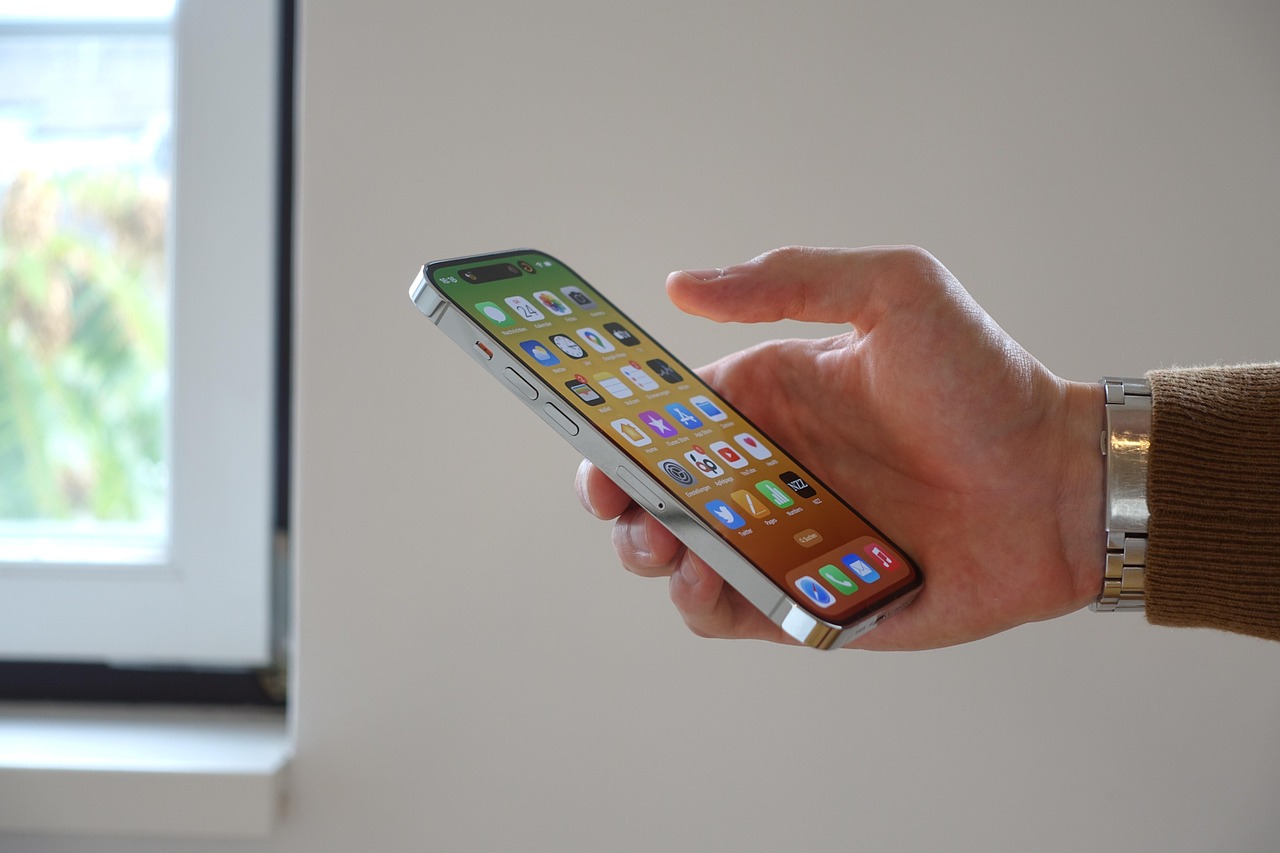
Forget flat batteries! New 'miracle' heart-monitoring chip stays accurate even during a HIIT workout

KEY INFORMATION:
- Scientists at DGIST in South Korea have developed an ultra-low-power semiconductor chip for wearables.
- The chip accurately measures ECG and EEG signals even during vigorous exercise.
- It consumes just 6.3 microwatts of power, which is significantly lower than existing tech.
- The chip is tiny, measuring only 0.16 square millimetres.
- It uses a unique "noise-shaping" architecture to filter out movement interference.
A revolutionary new DGIST ultra-low-power ECG chip could finally stop your smartwatch from glitching during a heavy gym session.
We have all been there—you are halfway through a frantic treadmill sprint and your watch suddenly decides you have no pulse.
It is a common headache for fitness fans, but a team of brainy researchers in South Korea may have just fixed it for good.
They have shrunk down the tech needed to monitor your heart into a tiny, "miracle" semiconductor.
The tiny chip that never sleeps
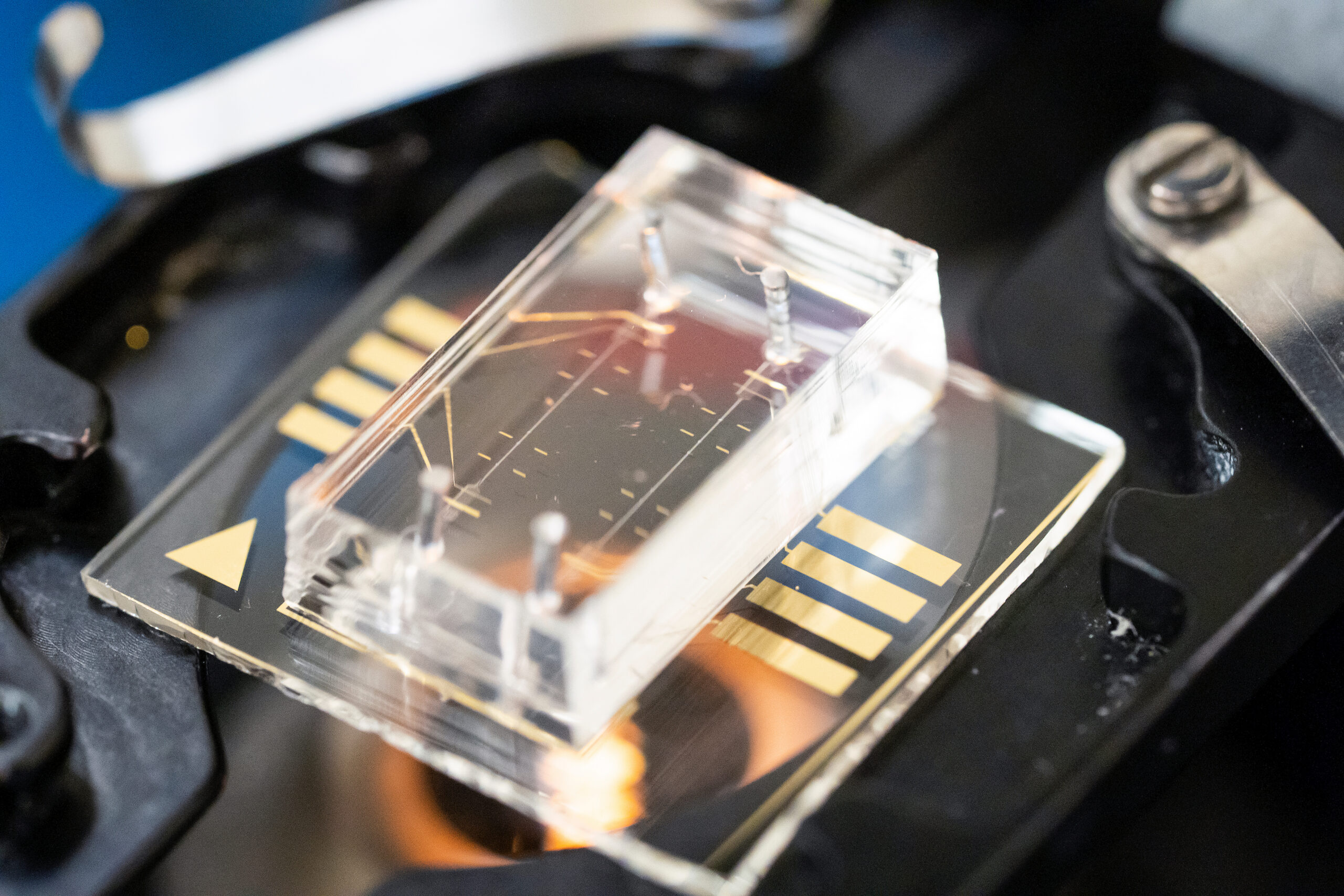
This clever bit of kit is smaller than a grain of sand, measuring just 0.16 square millimetres.
But do not let the size fool you, as it is a total powerhouse when it comes to saving energy.
The chip runs on just 6.3 microwatts of power.
To put that in perspective, it is using a tiny fraction of the energy a standard smartwatch needs to stay alive.
6.3 microwatts of pure precision
Think of most heart monitors like a radio trying to play music in a thunderstorm.
When you move, the "noise" from your skin rubbing on the sensor usually drowns out your actual heart signal.
The DGIST team used a special "noise-shaping" trick to push that interference out of the way.
It is like having a pair of noise-cancelling headphones for your biometric data.
Medical-grade data on your wrist
Because it is so efficient, this tech could lead to wearables that you only have to charge once a month.
It does not just do heart rates either, as it can track brain waves (EEG) and muscle activity too.
Professor Jung-Hyup Lee, who led the team, says this is a foundational technology for long-term healthcare.
Researcher Kim Geun-ha added: "This research is expected to make a significant contribution to advancing next-generation wearable and medical device technologies."
The team presented their "world-class" findings at the prestigious ISSCC 2026 conference.
It means your future Fitbit or Apple Watch could be way more accurate than the one you are wearing right now.
Related Links:
MORE: World's first 'brain-like' AI chip uses hydrogen to remember and learn — https://trendwiremedia.com/2026/03/16/worlds-first-brain-like-ai-chip-uses-hydrogen-to-remember-and-learn/
MORE: New £40 million AI Research Lab to Address Fundamental AI Challenges — https://trendwiremedia.com/2026/03/04/new-40-million-ai-research-lab-to-address-fundamental-ai-challenges/
MORE: Why ancient monkeys started eating their greens 13 million years ago to become the loudest mammals on land — https://trendwiremedia.com/2026/03/15/why-ancient-monkeys-started-eating-their-greens-13-million-years-ago-to-become-the-loudest-mammals-on-land/
OFFICIAL SOURCE VERIFICATION: This report is based on official data from University Newsroom. Document: “Accurate ECG monitoring even during intense exercise”: DGIST develops ultra-low-power chip for wearable devices Source Link: https://www.asiaresearchnews.com/node/22495
Author



Subscribe for $2 every four weeks for the first six months
Subscribe for $20 every four weeks for the first six months