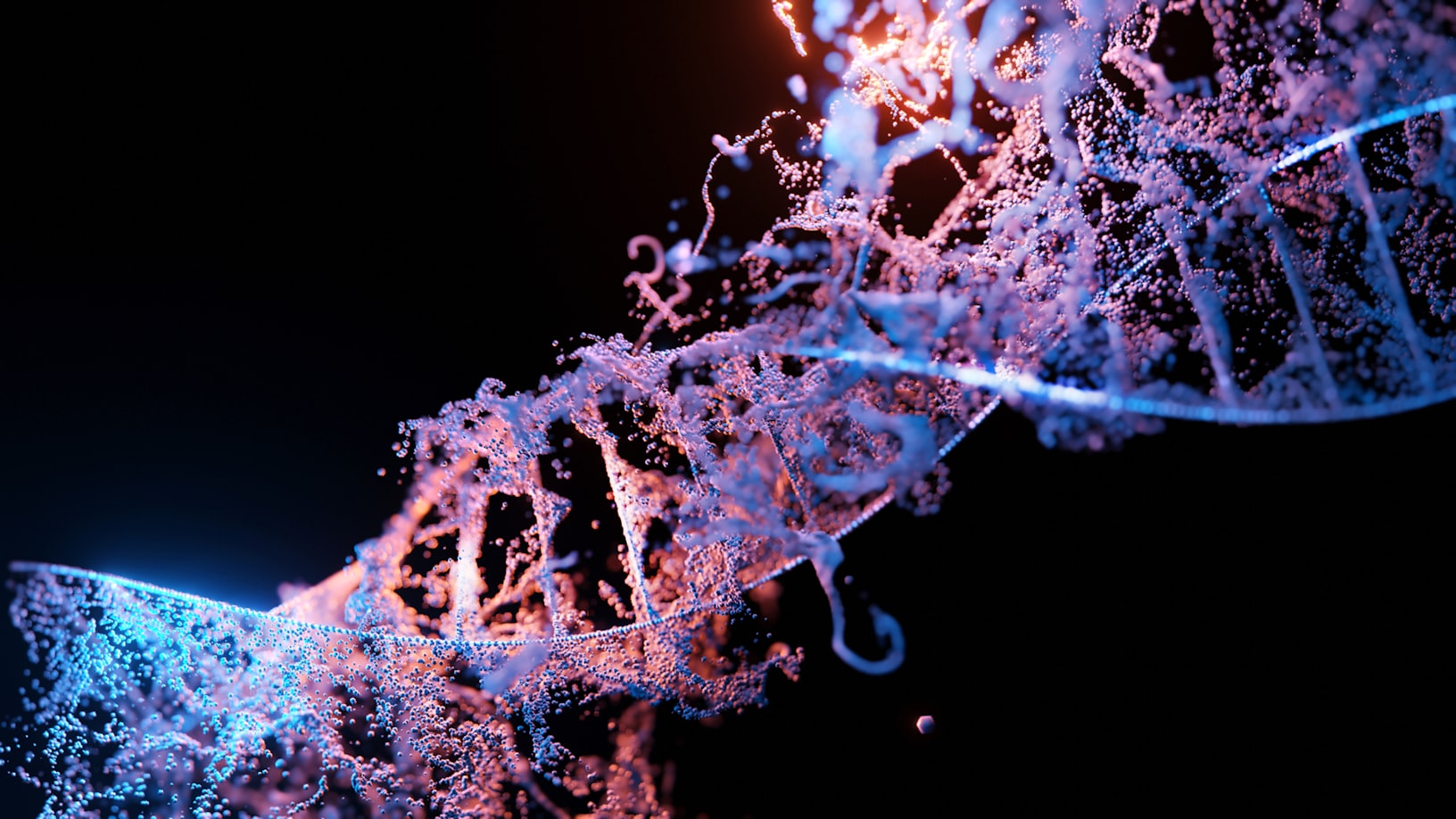
Unborn babies to get life-saving "super cells" from mums in world-first trial

WHO: Assistant Professor Agnieszka Czechowicz and a team from Stanford Medicine.
WHAT: A clinical trial using prenatal stem cell transplants to treat Fanconi anaemia in utero.
WHERE: Stanford Medicine Children’s Health, USA.
WHEN: 11 March 2026.
WHY: To stabilise the disease before birth and avoid toxic chemotherapy or radiation later in a child's life.
An innovative prenatal stem cell treatment targets rare genetic disease before babies are even born.
Waiting for a new arrival is usually a time of pure joy. But for families hit with a shock diagnosis of Fanconi anaemia, that happiness can turn to fear in a heartbeat.
This rare condition stops the body from repairing its own DNA. It usually leads to a total collapse of the "blood factory" in a child’s bone marrow by age 12.
Mum to the rescue
Now, a team at Stanford Medicine has found a way for mums to give their babies a fighting chance. They are starting a trial that takes healthy stem cells from a mother's own hip bone.
These "super cells" are infused directly into the unborn baby’s umbilical cord. It is like sending a tiny repair crew into the womb to fix the baby's blood system before the damage starts.
1 in 100,000 rarity
Fanconi anaemia is incredibly rare, affecting between 1 in 100,000 and 160,000 people globally. Children with the disease often face a lifetime of fatigue, headaches, and a terrifyingly high risk of cancer.
Assistant Professor Agnieszka Czechowicz said: "Often, families have been trying really hard to have a child... and they’re suddenly learning about a shocking disease with treatments that are not particularly good."
Skipping the toxic "reboot"
Usually, these kids need a full bone marrow transplant later in life. This involves heavy doses of chemotherapy and radiation, which are hard for their fragile bodies to handle.
By treating them in the womb, scientists hope to avoid these toxic "reboot" sessions entirely. The baby's developing immune system is much more likely to accept Mum's cells without putting up a fight.
91% of patients want in
Researchers surveyed families across five continents to see if they would be open to the idea. A massive 91% of people living with the disease said they would likely pursue this prenatal option.
Czechowicz added: "Overall, the research gives us real reason to believe prenatal transplants would stabilize the bone marrow in these patients and prevent the need for subsequent therapies."
If the trial is a success, these children could live normal, active lives. They might never need to spend months in a hospital bed or face the harsh side effects of current treatments.
Related Links:
MORE: Scientists find secret engine behind universe’s biggest bangs that wobbles like a top — https://trendwiremedia.com/2026/03/12/scientists-find-secret-engine-behind-universes-biggest-bangs-that-wobbles-like-a-top/
MORE: Scientists discover our heads have "personalised teachers" for every single cell — https://trendwiremedia.com/2026/03/09/scientists-discover-our-heads-have-personalised-teachers-for-every-single-cell/
OFFICIAL SOURCE VERIFICATION: This report is based on official data from University Newsroom. Document: Prenatal stem cell treatment targets rare genetic disease before birth Source Link: https://news.stanford.edu/stories/2026/03/stem-cell-trial-fanconi-anemia-genetic-disease-research
Author



Subscribe for $2 every four weeks for the first six months
Subscribe for $20 every four weeks for the first six months