Why ancient monkeys started eating their greens 13 million years ago to become the loudest mammals on land

KEY INFORMATION:
WHO: Associate Professor Siobhán Cooke and a team of researchers from Johns Hopkins Medicine.
WHAT: Analysis of fossilised jawbones from Stirtonia victoriae, an extinct relative of the modern howler monkey.
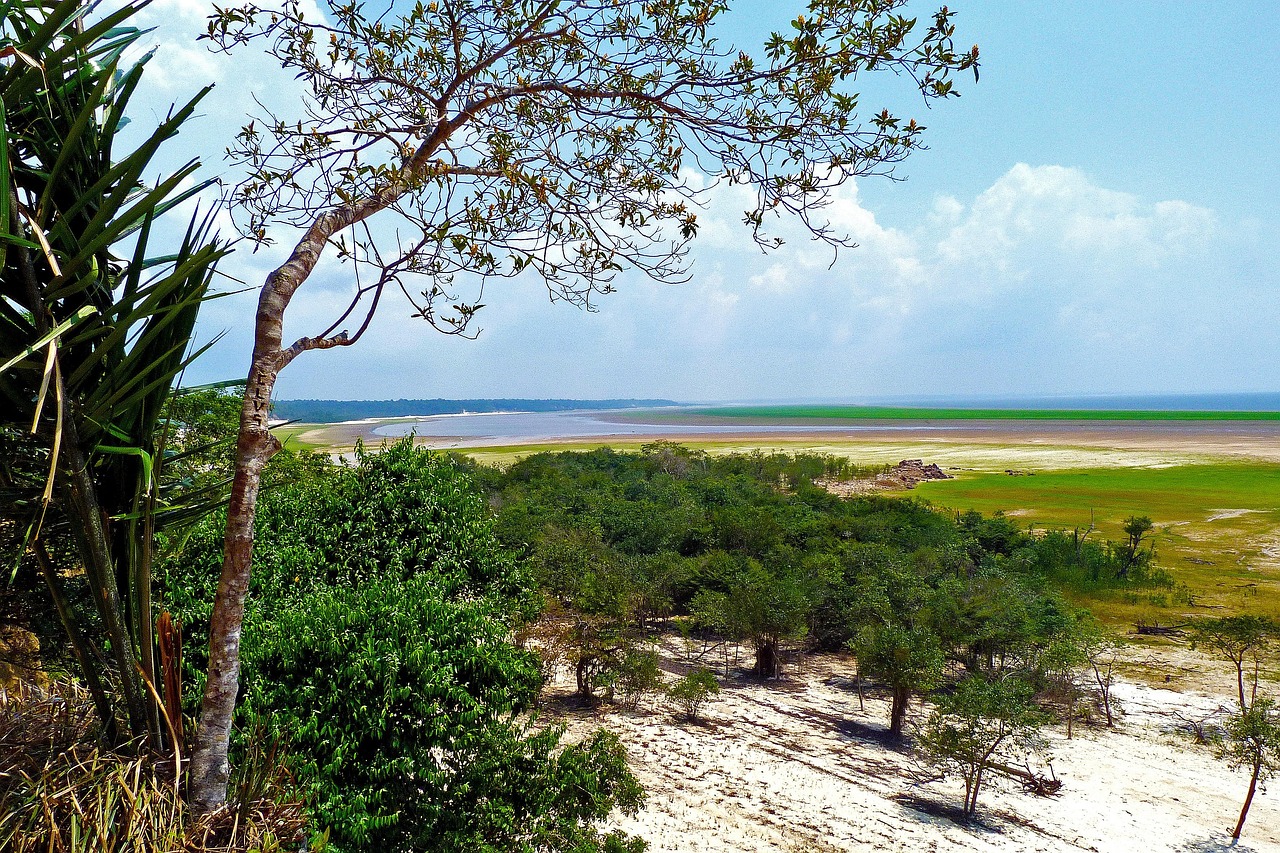
WHERE: The La Venta fossil site in the Tatacoa Desert of Colombia.
WHEN: 13 March 2026.
WHY: To understand when primates began eating leaves and how this diet changed their bodies and survival tactics in the proto-Amazonian rainforest.
A new study shows howler monkeys began eating leaves 13 million years ago to grow bigger and louder.
Next time you are picking at a sad desk salad during your commute, remember that you are following a 13 million-year-old trend. Scientists have discovered that ancient monkeys ditched the fruit bowl for a leafy diet to survive in the prehistoric jungle.
This menu change was a massive deal for primate history. It allowed these creatures to grow into the heavyweight champions of the treetops and eventually develop their world-famous, ear-splitting howl.
The first leaf-eaters in the Amazon
A team from Johns Hopkins Medicine has been studying jawbones found in the Colombian desert. These fossils belong to an extinct relative of the modern howler monkey called Stirtonia victoriae.
Before this discovery, experts had no proof that South American monkeys ate leaves so long ago. This discovery is a "smoking gun" for how monkeys adapted as the Amazonian rainforest was first forming.
Siobhán Cooke, an associate professor at Johns Hopkins, said: "Before the discovery of Stirtonia, we didn't have any evidence of leaf consumption in South American primates. This can help us answer important questions about ecological evolution."
Jaws that work like scissors
The researchers used 3D scans to look at the teeth of these ancient beasts. They found the molars had special protrusions that act like tiny "shears" to grind up tough plant material.
This allowed the monkeys to break down carbohydrates in a way their fruit-eating cousins could not. It gave them a plentiful food source that was always available, helping them avoid fights over limited fruit supplies.
Why they got so big and loud
Eating your greens has its perks. The researchers found that this new diet allowed the monkeys to reach a hefty weight of between 17 and 22 pounds.
Previously, South American monkeys were much smaller. This extra size gave them an ecological "niche" that other animals could not touch.
The birth of the 13 million-year-old howl
The fossilised jawbones were wide and deep, suggesting they had room for a specialized balloon-like neck bone. This bone acts as a resonating chamber, which is exactly how modern howler monkeys make their iconic, terrifying call.
Cooke added: "This tells us that these monkeys had a plentiful food source, mainly leaves, that allowed them for the first time to evolve and occupy an ecological niche that allows for larger body mass."
While we cannot be 100% sure they were shouting back then, the equipment was certainly there. It proves that the "howl" we hear today likely started as a direct result of their ancient leafy diet.
Related Links:
MORE: New £40 million AI Research Lab to Address Fundamental AI Challenges — https://trendwiremedia.com/2026/03/04/new-40-million-ai-research-lab-to-address-fundamental-ai-challenges/
MORE: Hopescourt School Opens in Surrey: £30 Million Facility for Autistic Pupils Goes Net Zero Carbon — https://trendwiremedia.com/2026/03/12/hopescourt-school-opens-in-surrey-30-million-facility-for-autistic-pupils-goes-net-zero-carbon/
MORE: Johns Hopkins Medicine leads £24 million global effort to find hepatitis B cure by 2031 — https://trendwiremedia.com/2026/03/11/johns-hopkins-medicine-leads-24-million-global-effort-to-find-hepatitis-b-cure-by-2031/
OFFICIAL SOURCE VERIFICATION: This report is based on official data from University Newsroom. Document: Howler monkeys began eating leaves 13 million years ago, changing primate history Source Link: https://hub.jhu.edu/2026/03/13/howler-monkeys-ate-leaves-13-million-years-ago/
Author



Subscribe for $2 every four weeks for the first six months
Subscribe for $20 every four weeks for the first six months