Tiny Lab-Grown Eyes Reveal Big Clue to Childhood Blindness
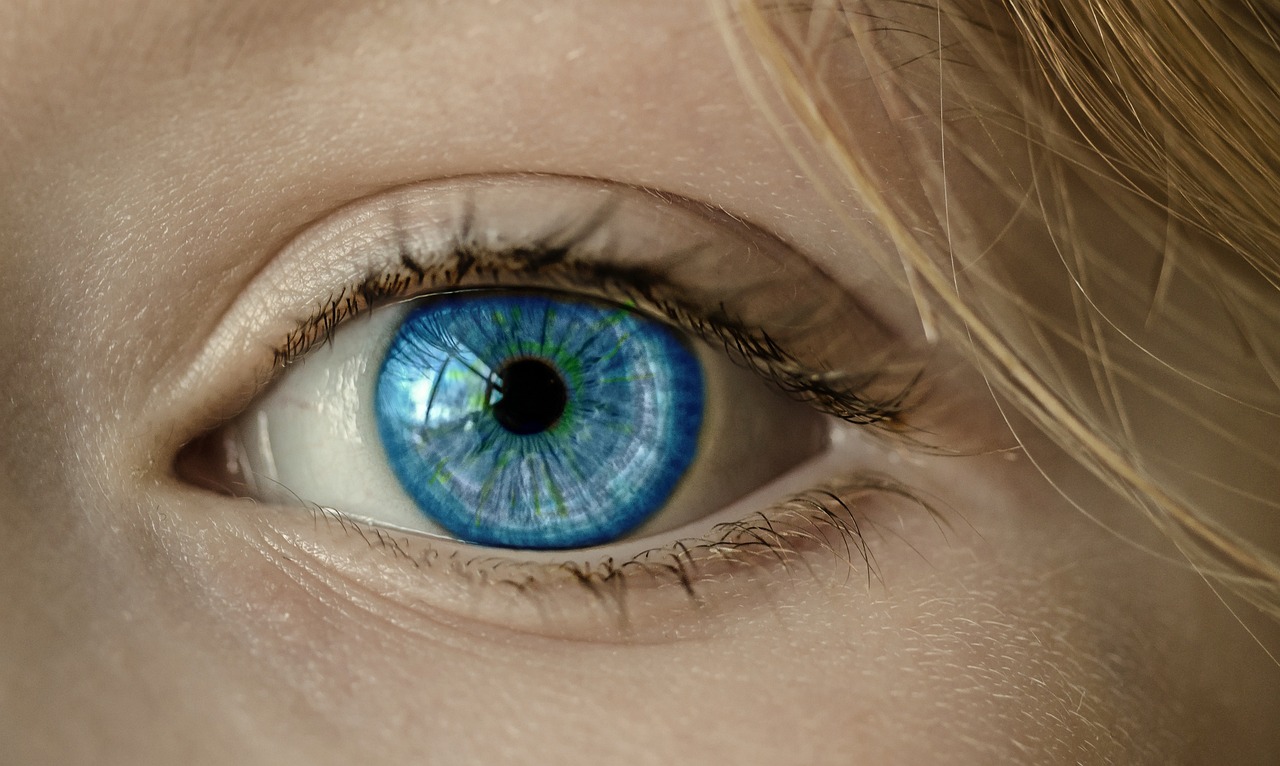
Groundbreaking research using tiny lab-grown retinas has shed new light on a rare eye condition causing serious visual defects in children from birth. The University of Manchester study has revealed how subtle genetic changes can lead to ocular coloboma, which affects around 1 in 5,000 births.
What is ocular coloboma?
Ocular coloboma is a congenital eye condition responsible for roughly 10% of childhood blindness. It occurs when a crucial structure in the developing eye, called the optic fissure, fails to close correctly. This can often happen alongside other developmental issues, such as cleft lip or palate.
Unlocking the genetic mystery
The new findings, published in the journal BBA: Molecular Basis of Disease, focused on the YAP1 protein. This protein acts like a vital switch inside cells, guiding how organs form and ensuring tissues stay healthy.
Previously, changes in YAP1 were linked to coloboma, but scientists couldn't explain why some individuals developed severe defects while others were unaffected.
To tackle this, researchers used human retinal organoids – miniature versions of the developing human retina grown in the lab. They studied these tiny retinas to understand what happens when YAP1's activity is reduced during eye formation.
"These findings give us a much clearer picture of how small genetic changes can have major effects during eye development," explained lead author Dr Cerys Manning from The University of Manchester.
How tiny changes make a big difference
The team discovered that disrupting YAP1 activity reduced the function of genes crucial for early retinal cells to grow and maintain their identity. This slowdown in cell development offers a potential reason for how eye formation goes wrong.
The study also highlighted that not all YAP1 changes are equal. Using computer modelling and experimental data, researchers found that the exact position of a genetic change dictates how much it disrupts YAP1's function.
This helps to explain the wide variation in coloboma severity among different individuals, even those with changes in the same gene.
Dr Manning added: "By pinpointing how each variant disrupts YAP1’s function, we can better interpret genetic results in patients and move closer to ways of supporting healthy eye formation."
The research identifies YAP1 as a significant contributor to coloboma, a condition linked to disease-causing variants in over 40 genes.
"This work brings us a step closer to explaining why some children develop coloboma," she concluded.
Related Content
MORE: The 'vague' memory: Brits reveal the 'horrifying' childhood secrets their parents kept from them for decades — https://trendwiremedia.com/2026/02/14/the-vague-memory-brits-reveal-the-horrifying-childhood-secrets-their-parents-kept-from-them-for-decades/
MORE: From gripping true crime to high-concept horror: The best 90-minute films to stream this week — https://trendwiremedia.com/2026/02/07/from-gripping-true-crime-to-high-concept-horror-the-best-90-minute-films-to-stream-this-week/
MORE: From high-octane action to front-row comedy: The best films and specials to stream this week — https://trendwiremedia.com/2026/02/06/from-high-octane-action-to-front-row-comedy-the-best-films-and-specials-to-stream-this-week/
OFFICIAL SOURCE VERIFICATION: This report is based on official data from University Newsroom. Document: FROM HERE - Lab-grown retina gives gene change clue to rare childhood eye condition Source Link: [Read the official report from University Newsroom](https://www.manchester.ac.uk/about/news/lab-grown-retina-gives--gene-change-clue-to-rare-childhood-eye-condition/)
Author

Subscribe for $2 every four weeks for the first six months
Subscribe for $20 every four weeks for the first six months