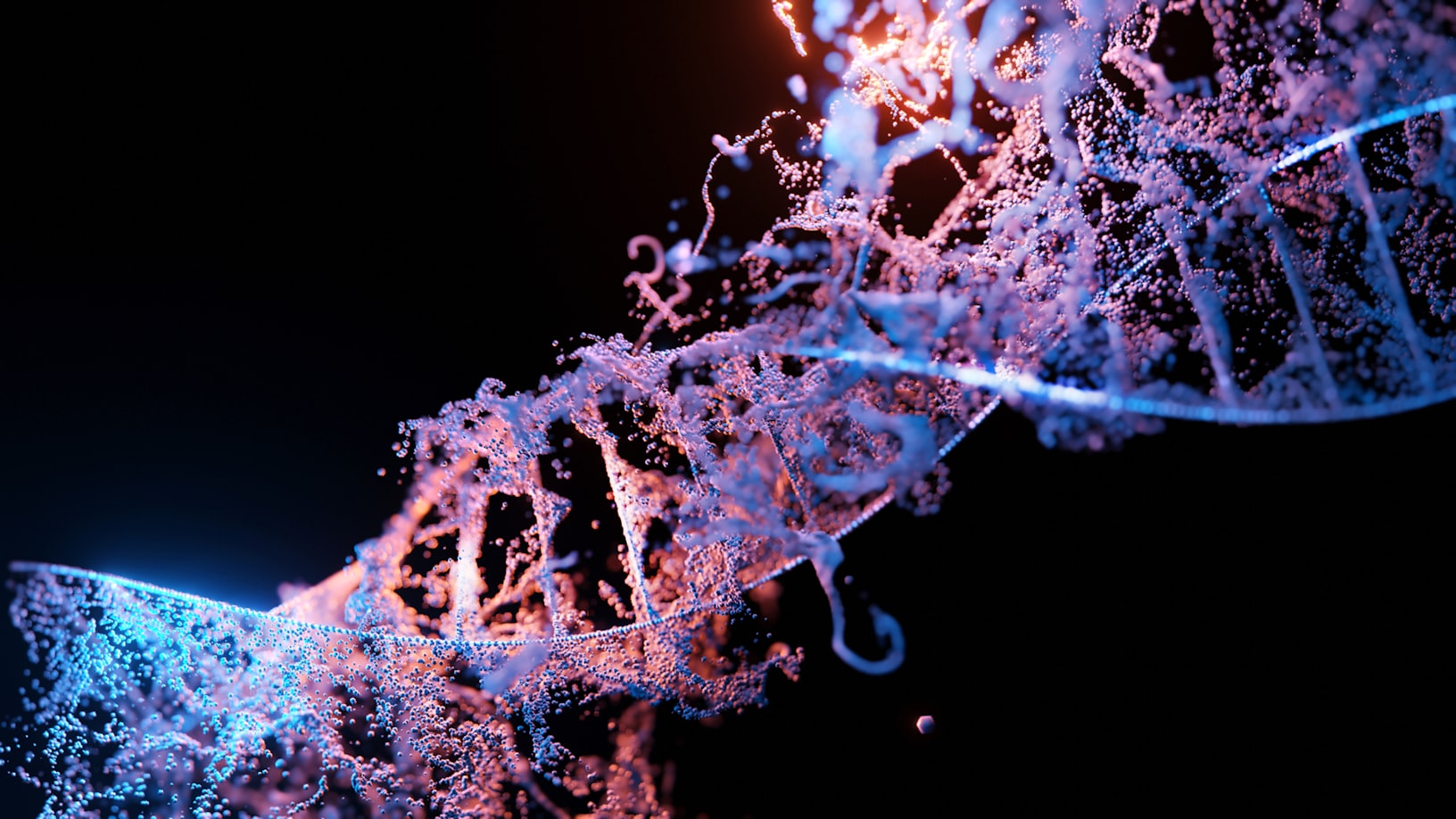
Scientists find 'genetic fingerprints' in tumours that could save 8,700 UK patients
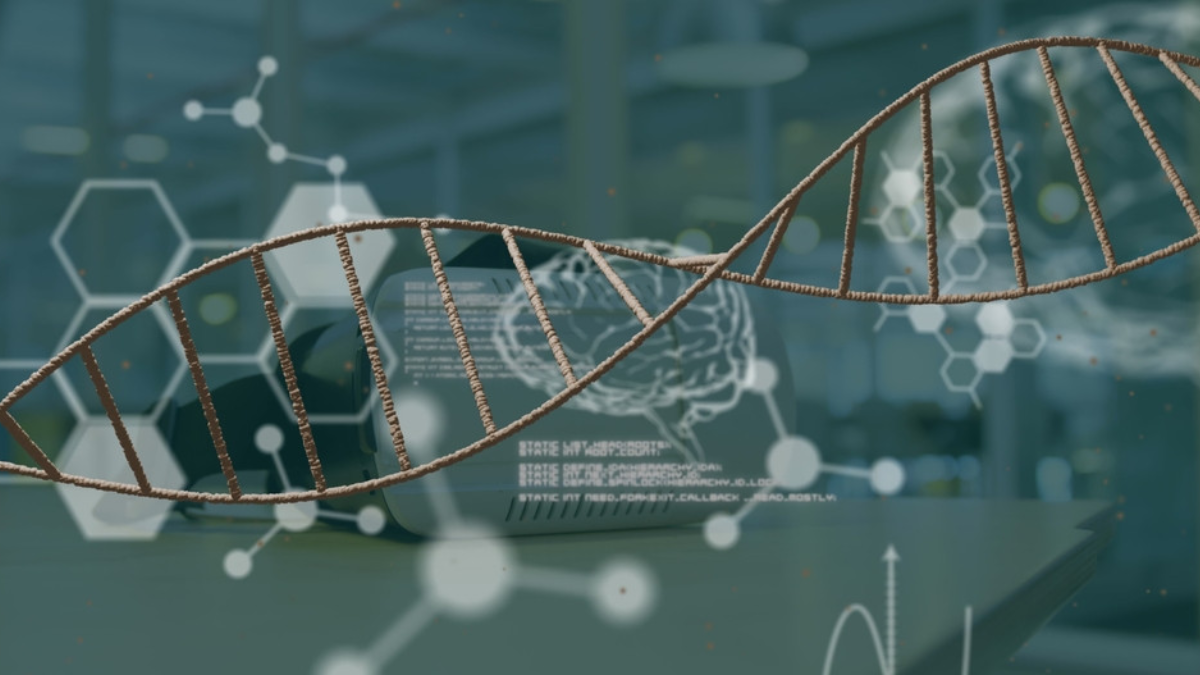
WHO: Professor David Wedge (University of Manchester) and Professor Richard Houlston (Institute of Cancer Research).
WHAT: A landmark study published in Nature Genetics analysing 370 million mutations across 16 different cancers.
WHERE: The University of Manchester and The Institute of Cancer Research, London.
WHEN: 26 March 2026.
WHY: To identify comprehensive genetic "scars" that reveal the cause of a patient's cancer and predict which treatments will work best.
Scientists have just finished a six-year forensic investigation into the DNA of 11,000 NHS patients to find out exactly how cancer works.
They have decoded the "scars" left behind in our DNA by things like tobacco smoke, sunlight, and even gut bacteria. This map of mutations means thousands of people could soon get life-saving drugs that they were previously denied.
The DNA detectives
Researchers in Manchester and London looked at 16 different types of cancer to find the "fingerprints" of the disease. They catalogued a staggering 370 million mutations to understand the full story of how tumours form.
By reading these patterns, doctors can now tell not just what caused the cancer, but when the damage happened. It is like looking at a black box flight recorder for a tumour to see exactly where things went wrong.
Professor David Wedge said: "By reading these patterns we can now understand, in a larger proportion of cancers, what caused the cancer and which treatments are most likely to work."
8,700 people could benefit
The study found a specific weakness called HRD in 16% of breast cancers and 14% of ovarian cancers. Current tests often miss this, meaning patients are missing out on targeted "precision" therapies.
In the UK alone, researchers estimate that over 7,700 breast cancer patients and 1,000 ovarian cancer patients could benefit from these treatments. This is a much higher number than the NHS currently identifies through standard testing.
The E. coli connection
One of the most worrying findings involves younger people. The team found evidence that toxins from certain E. coli bacteria in the gut might be driving the rise in early-onset bowel cancer.
This specific "signature" was seen more often in younger patients than in older ones. It suggests that what we eat and the bacteria in our bellies could be leaving a deadly trail in our DNA.
Professor Richard Houlston said: "This study provides one of the clearest demonstrations yet that reading the full genetic history of a tumour can unlock clues to better patient care."
This research is part of the massive 100,000 Genomes Project. It is the largest study of its kind in the world and marks the start of a new era where cancer treatment is tailored to your specific DNA.
Related Links:
MORE: Scientists use GPS satellites to find out why Antarctica is 'vanishing' from the top down — https://trendwiremedia.com/2026/03/27/scientists-use-gps-satellites-to-find-out-why-antarctica-is-vanishing-from-the-top-down/
MORE: Scientists find the 'gatekeeper' protein that keeps your skin waterproof and itch-free — https://trendwiremedia.com/2026/03/23/scientists-find-the-gatekeeper-protein-that-keeps-your-skin-waterproof-and-itch-free/
MORE: London scientists develop 'smart' drug that wipes out 95 per cent of cancer without toxic side effects — https://trendwiremedia.com/2026/03/07/london-scientists-develop-smart-drug-that-wipes-out-95-per-cent-of-cancer-without-toxic-side-effects/
OFFICIAL SOURCE VERIFICATION: This report is based on official data from University Newsroom. Document: UK cancer scientists uncover genetic clues as to what drives tumour growth Source Link: https://www.manchester.ac.uk/about/news/uk-cancer-scientists-uncover-genetic-clues-as-to-what-drives-tumour-growth/
Author


Subscribe for $2 every four weeks for the first six months
Subscribe for $20 every four weeks for the first six months